
The Current State of Air Travel
The air travel industry is currently navigating an unprecedented crisis, largely triggered by global events such as the COVID-19 pandemic. Prolonged shutdowns and widespread travel restrictions have led to a dramatic decline in passenger demand, significantly impacting airlines, airports, and related stakeholders. As of now, many airlines are attempting to recover from staggering losses while still adjusting to the evolving landscape of health regulations and travel protocols.
According to recent statistics, air travel demand has not returned to pre-pandemic levels, with many airlines operating at a fraction of their capacity. In 2023, it was reported that overall passenger numbers were only about 70% of those seen in 2019, illustrating the ongoing challenges. Notably, the rise in ticket prices, driven by operational constraints and increased operating costs, reflects the difficulties airlines are facing in maintaining profitability amidst these adverse conditions.
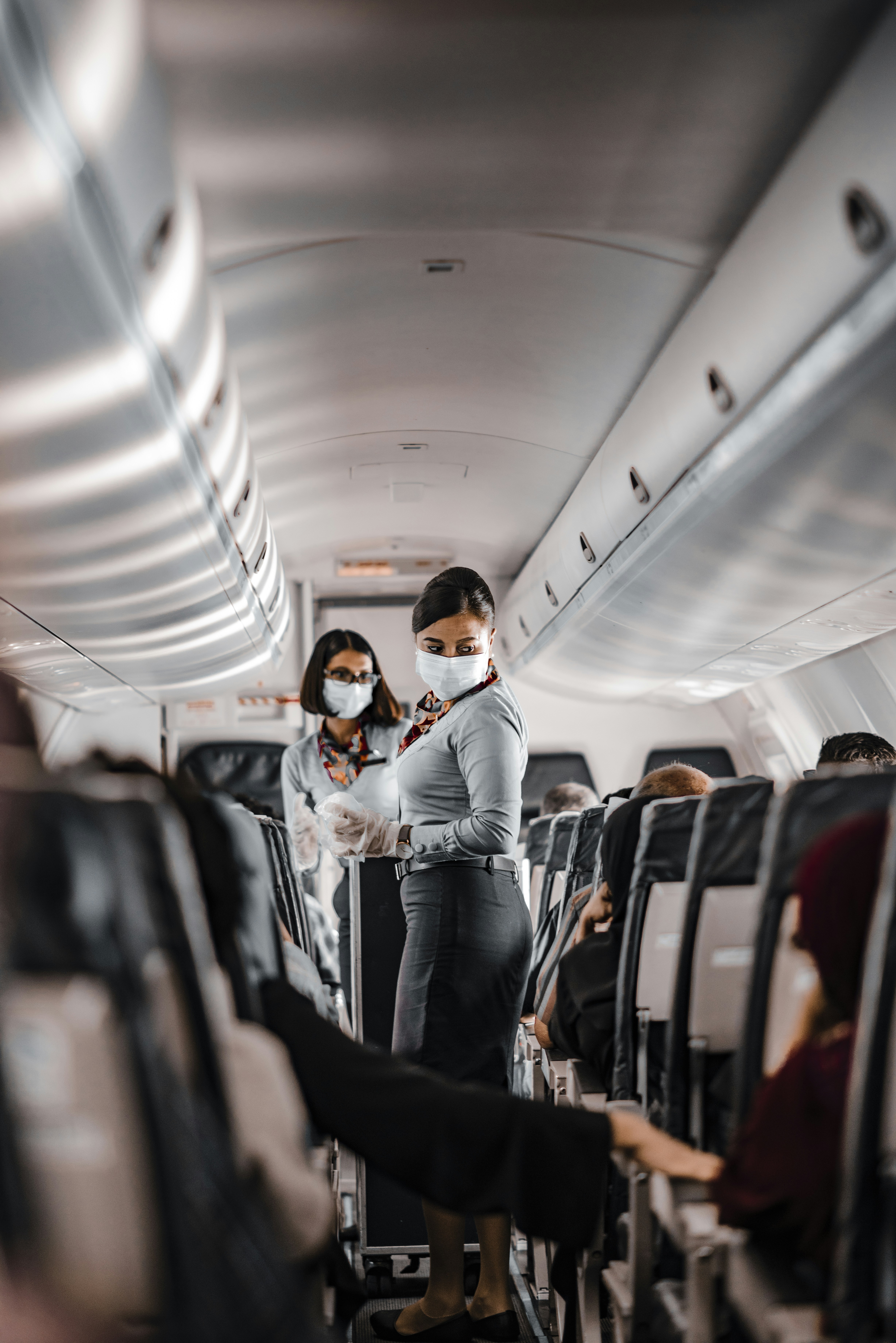
Airline management and airport authorities have resorted to implementing stricter health protocols to ensure passenger safety while trying to encourage travel. These include enhanced cleaning measures, mandatory face masks, and health screenings, all of which aim to foster passenger confidence in air travel. However, the continuous evolution of pandemic-related guidelines presents an ongoing challenge for these organizations, which must remain adaptable in an uncertain environment.
Moreover, the workforce within the aviation sector has been heavily affected during this period. With widespread layoffs and early retirements, airlines are struggling to fill crucial positions. The impact of staffing shortages has led to increased flight cancellations and delays, further diminishing passenger experience and exacerbating the industry’s already precarious situation. As airlines strive to rebuild their operational capacity and rehire personnel, the path to recovery remains fraught with hurdles.
Causes of Staffing Shortages in the Airline Industry
The airline industry is currently facing significant staffing shortages, a crisis rooted in multiple factors that have cumulatively impacted workforce availability. One of the primary causes is the widespread layoffs that occurred during the global shutdowns. As travel restrictions were imposed to curb the spread of the virus, airlines were forced to drastically reduce their operations, leading to job losses on an unprecedented scale. Many employees were furloughed or laid off, and this decimation of the workforce has created long-lasting repercussions on the industry’s ability to rebound.
Rehiring staff has proved challenging for airlines, as the recovery of travel demand has not been uniform. While airlines are eager to reinstate their workforce, the fluctuating nature of market demand has complicated hiring efforts. Additionally, early retirements during and after the pandemic have further diminished the available talent pool. Many seasoned professionals opted for early retirement due to uncertainties associated with the pandemic, resulting in a loss of experience that is difficult to replace quickly.
Worker burnout has also played a critical role in the staffing crisis. The sudden surge in travel demand, coupled with heightened operational challenges, has led to increased pressure on existing staff. Many employees, already stretched thin, have opted to leave the industry, seeking more stable or less demanding opportunities. Moreover, the persistent skill gaps in certain roles—such as pilots and maintenance technicians—exacerbate the problem. Finding qualified personnel has become increasingly difficult as training programs have been significantly disrupted during the pandemic.
External factors, including evolving travel restrictions and shifting consumer preferences, have continued to reshape the landscape of the airline industry. The interplay of these elements creates an environment where staffing shortages not only persist but may also hinder future growth and service reliability.
Consequences of Staffing Shortages for Passengers and Airlines
The current staffing shortages within the air travel industry have resulted in a multitude of challenges for both passengers and airlines. For travelers, the most immediate impacts have been seen through an increase in flight cancellations and delays. With reduced personnel across critical areas of operation, including pilot and ground staff availability, airlines are struggling to maintain their schedules. Consequently, many passengers find themselves facing frustrating last-minute changes, often resulting in missed connections and disrupted itineraries.
Moreover, customer service has also been heavily affected. Airline representatives, stretched thin by these workforce shortages, are finding it increasingly difficult to respond to passenger inquiries and complaints promptly. This inadequacy has led to long wait times both on the phone and at airport service counters, escalating the frustration of travelers who require assistance. Personal accounts reflect the discomfort experienced by customers, who have reported not only logistical setbacks but also significant emotional stress as a result of poor customer support during these already challenging times.
The repercussions extend beyond immediate inconveniences, affecting the long-term viability of airlines. With reduced operational efficiencies, many carriers may experience detrimental effects on customer loyalty. Frequent flyers, in particular, are likely to reconsider their allegiance to an airline that cannot ensure reliable service. Brand reputation is at risk, as negative experiences shared on social media platforms can easily dissuade potential customers. Financial impacts are also foreseeable; as airlines attempt to recover from losses accrued during the crisis, persistent staffing issues may hinder profitability. Ultimately, the air travel industry’s journey toward recovery is increasingly complex, heavily influenced by staffing challenges that affect every aspect of the passenger experience.
Potential Solutions and Future Outlook
The airline industry is confronting significant staffing shortages that have far-reaching implications for operations and customer experience. To address these challenges, airlines and airports are likely to implement a range of solutions aimed at revitalizing their workforce. One notable strategy involves innovative hiring practices that prioritize flexibility and adaptability. This could mean leveraging technology to streamline the recruitment process, allowing organizations to identify suitable candidates more efficiently. Utilizing data analytics to understand workforce trends and demands may also be crucial in attracting and retaining talent.
Training programs for new recruits will play a vital role in equipping staff with the necessary skills to meet operational demands. By focusing on comprehensive training initiatives, airlines can foster a more skilled workforce that can adapt to the evolving needs of air travel. Furthermore, these programs can be designed to enhance employee engagement and job satisfaction, which are essential for reducing turnover rates. Upskilling existing employees through ongoing education and professional development may similarly contribute to a more capable and motivated workforce.
Workforce management improvements will also be essential in optimizing staffing dynamics. This could involve the implementation of more flexible scheduling practices that better align with employee needs while ensuring adequate coverage for peak travel times. Additionally, exploring new technologies, such as artificial intelligence and predictive analytics, can aid in workforce planning and operational efficiency.
Looking towards the future, the landscape of air travel is poised to undergo significant transformations. Changing consumer behavior, driven by evolving expectations around safety and convenience, may compel airlines to adapt their operational models. Additionally, systemic shifts within the industry, including the increased adoption of automation and digitization, are likely to reshape traditional job roles and responsibilities. Insights from industry experts suggest that while challenges remain, there is potential for a recovery characterized by innovation and resilience in the face of adversity.
Leave a Reply