
Understanding the Government Shutdown
A government shutdown occurs when Congress fails to pass appropriations bills or a continuing resolution to fund government operations and agencies. This financial impasse is often a result of political disagreements, where differing parties refuse to align on budget allocations or policy stipulations. The implications of such a shutdown are far-reaching, affecting not just the administrative functions of government entities but also the daily lives of citizens and critical sectors such as aviation.
In the context of aviation, a government shutdown can lead to significant disruptions. The Federal Aviation Administration (FAA), responsible for air traffic control and ensuring flight safety, may see staff furloughs and closures of control towers, impacting flight schedules nationwide. When government services are halted, airports might experience flight delays and cancellations, leading to a ripple effect throughout the travel industry. Airlines, passengers, and related businesses must navigate the turbulence caused by unpredictable flight operations during these periods.
Stakeholders in this scenario include not just government agencies and airline operators, but also the traveling public and local economies reliant on tourism. As a shutdown unfolds, affected parties must grapple with the uncertainty introduced, while seeking to mitigate its impacts. The timeline leading up to a shutdown often features escalating tensions within Congress, negotiations that fall through, and ultimately, announcements of impending service reductions as funding gaps widen.
Understanding the mechanics behind a government shutdown is crucial as it highlights the fragility of government operations. It serves as a reminder of the interconnectedness of political decisions and the public services they affect, particularly in a sector as important as air travel. The repercussions of such a shutdown resonate across various industries and can alter the travel plans of millions, emphasizing the need for timely and effective legislative action.
Impact on Air Travel: Control Tower Closures
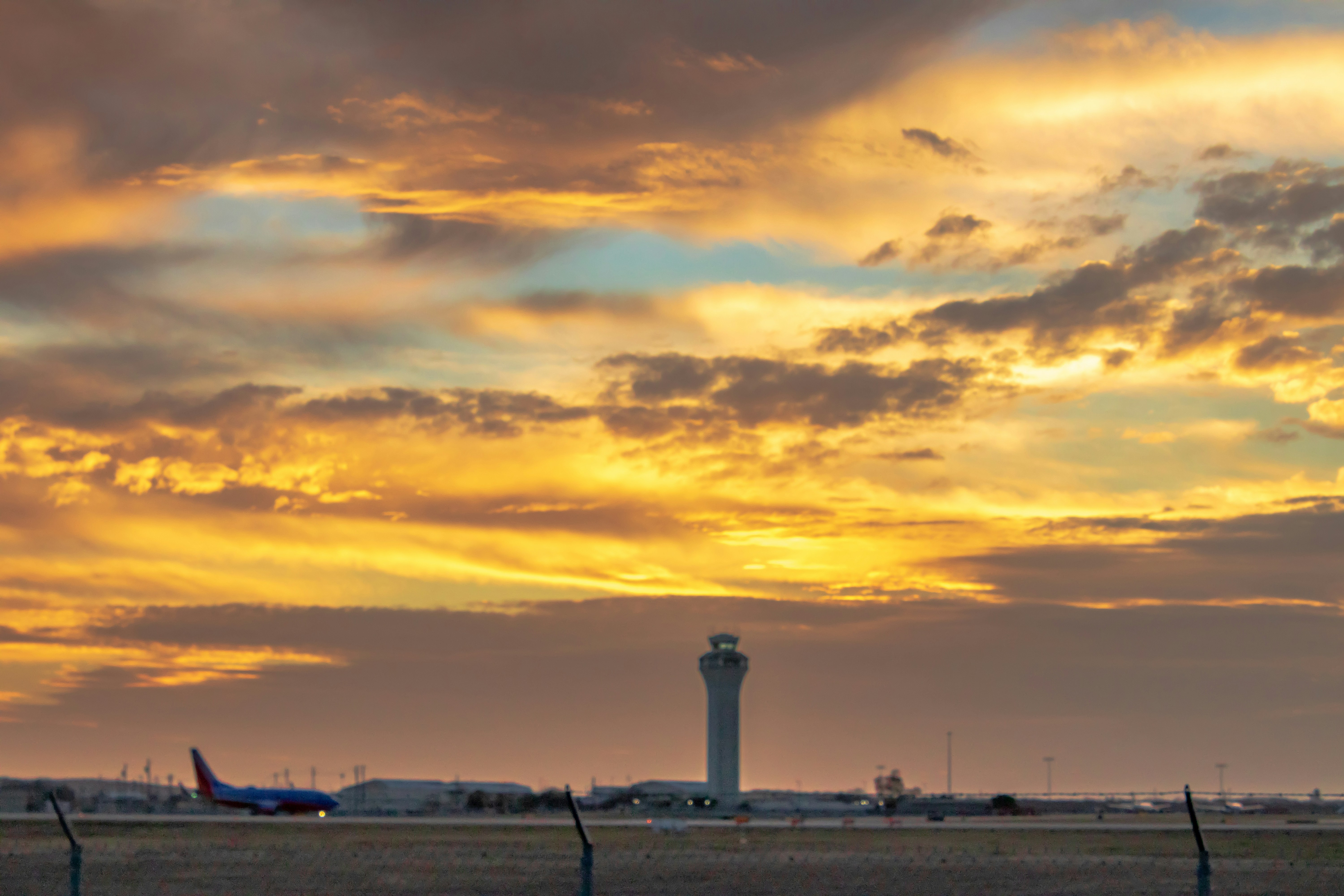
The recent government shutdown has had a significant detrimental effect on air travel across the United States, particularly through the closure of several control towers at key airports. Air traffic control systems are vital for maintaining safety and ensuring operational efficiency in the aviation sector. Control towers serve as the central point for directing flight operations, managing takeoffs, landings, and general air traffic to prevent collisions and streamline airport operations. When these facilities are closed, the repercussions are immediate and far-reaching.
As a result of the shutdown, numerous airports have been forced to close their control towers, which directly impacts their ability to operate flights safely. Airports without air traffic control turn to alternative means, often relying on Visual Flight Rules (VFR), which limits the number of aircraft that can safely operate in a given airspace. This downtime can lead to severe air travel disruptions, with some airports experiencing complete shutdowns and others facing significant delays in departures and arrivals.
According to recent statistics, over thirty airports have reported the closure of their control towers, affecting thousands of flights on a daily basis. These closures may cause long wait times for passengers, prompting cancellations and impacting itineraries nationwide. Furthermore, airlines are often unable to provide timely updates or alternative solutions, leading to confusion and frustration among travelers. The immediate priority for the aviation community is to find a solution to reopen these control towers and resume normal operational capacity. In this context, it becomes evident that air traffic control closures, instigated by the ongoing government shutdown, are not just a nuisance; they pose real safety concerns and operational challenges to the aviation industry and travelers alike.
Nationwide Delays: Disruptions and Traveler Experiences
The recent government shutdown has significantly impacted air travel across the United States, resulting in widespread delays and cancellations. Many travelers have found themselves grappling with unexpected disruptions, leading to a cascade of adverse effects on their planned itineraries. For instance, long wait times at security checkpoints and boarding gates have become more common, as the shortage of control tower staff hampers the efficiency of airport operations. Reports from various airports indicate that delays have become routine, with some travelers experiencing frustratingly long waits that extend their travel time significantly.
Anecdotal evidence highlights the real-world implications of these delays. One traveler recounted her experience of a missed connection due to an extended layover that was initially planned for just an hour. After standing in line for what felt like an eternity, she arrived at her gate only to discover that the aircraft had already departed. Such incidents not only disrupt travel plans but also add an emotional toll on passengers who had meticulously arranged their schedules. Frustration among travelers has been palpable, as they navigate through crowded terminals and adjust to last-minute changes.
In response to these challenges, airlines and airport staff have been working diligently to manage the disruption. They have implemented measures to assist affected passengers, from providing timely updates on flight statuses to offering rebooking options for those whose plans have been severely impacted. Additionally, airport personnel face the demanding task of maintaining order amid the chaos, often engaging with travelers to alleviate concerns and facilitate smoother transitions. This ongoing dynamic showcases not only the resilience of aviation staff but also emphasizes the need for effective communication strategies during crises. Overall, the shutdown has underscored the interconnected nature of air travel and the far-reaching consequences of operational disruptions.
Restoration and Solutions: What’s Next for Air Travel?
The recent government shutdown has raised significant concerns regarding air travel due to the closure of control towers and the widespread delays that have ensued. As the situation evolves, stakeholders in the aviation industry are actively engaging in discussions about restoration efforts and potential solutions that will ensure the resumption of normal air traffic services. Immediate contingency plans are vital to mitigate ongoing disruptions and prevent future occurrences.
Aviation experts emphasize the necessity for robust contingency measures that can be quickly enacted during crises. The introduction of redundant staffing and enhanced funding for air traffic control facilities are just a few of the proposed solutions that stakeholders are considering. Additionally, engagement with federal lawmakers is crucial to establish a more reliable funding mechanism for air traffic operations that can withstand political fluctuations. These discussions highlight the need to prioritize air travel safety and efficiency even amidst budgetary constraints.
The crisis has also led to a reevaluation of existing regulatory frameworks. Policymakers are exploring the need for reforms that would safeguard the aviation sector from similar impacts in the future. This includes enhancing communication channels between the Federal Aviation Administration (FAA) and other key stakeholders, which is necessary for coordinating efficient responses during emergencies. Experts believe that lessons learned from this shutdown could lead to strengthened policies that improve the resilience of air travel systems.
In light of these challenges, collaboration among airlines, air traffic controllers, and government agencies will be pivotal. The exchange of insights and experiences among these groups can foster innovative solutions tailored to the unique challenges posed by such disruptions. By working collectively, stakeholders aim to enhance the overall stability and reliability of air travel, ensuring that passengers can depend on a system that meets both current and future demands effectively.
Leave a Reply